
Why is surgery still such a painful experience?
millions of patients facing acute post‑surgical pain
each year and replace opioids as the cornerstone of treatment
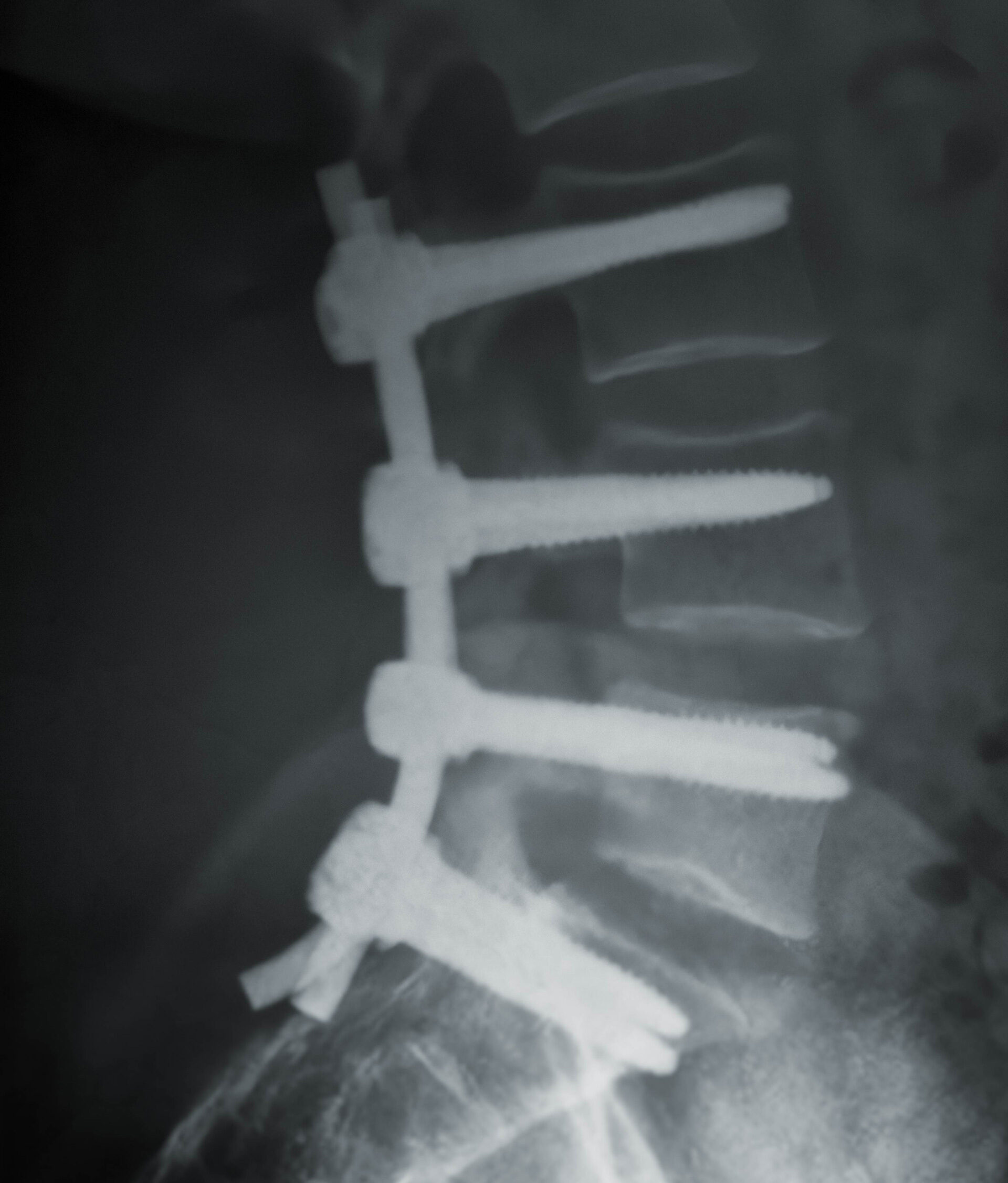
Spine fixation surgery: the largest unmet need
Spinal disorders are often treated by fixating parts of the spine with pedicle screws. These procedures unavoidably cause debilitating pain for several days, currently treated with opioids in high doses, such as morphine and oxycodone. Pain and opioid-related side-effects hamper recovery and extend hospital stays, putting patients at risk for chronic pain and opioid addiction. Currently, roughly one in five patients develop long-term opioid use after surgery.
The negative effects of opioids are globally recognized. However, for decades, no viable alternatives have come to clinical practice in the management of postsurgical pain.

Surgical pain blockers
A strong, highly elastic, biodegradable hydrogel ring enabling sustained local delivery of a well-established local anesthetic for multiple days.
Designed to integrate with commercially available pedicle screws.
Our lead program: BR-003 (investigational).
The first in its class for spine surgery.
Surgical pain blockers
A strong, highly elastic, biodegradable hydrogel ring enabling sustained local delivery of a well-established local anesthetic for multiple days.
Designed to integrate with commercially available pedicle screws.
Our lead program: BR-003 (investigational).
The first in its class for spine surgery.
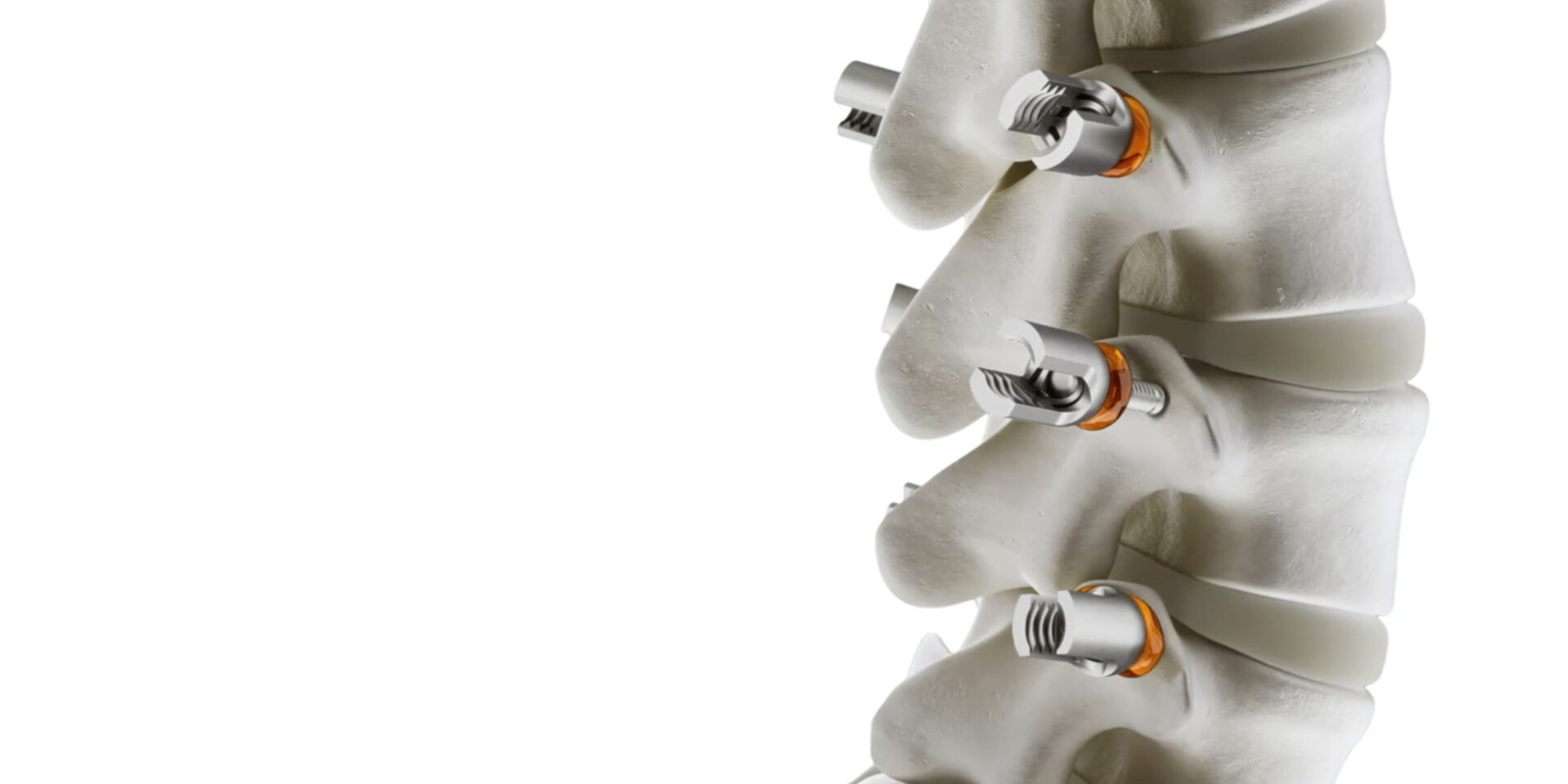
Seamless integration with the existing surgical workflow
BR-003 is co-implanted without changing the placement or function of the pedicle screw.
The rest of the surgical procedure remains unchanged.
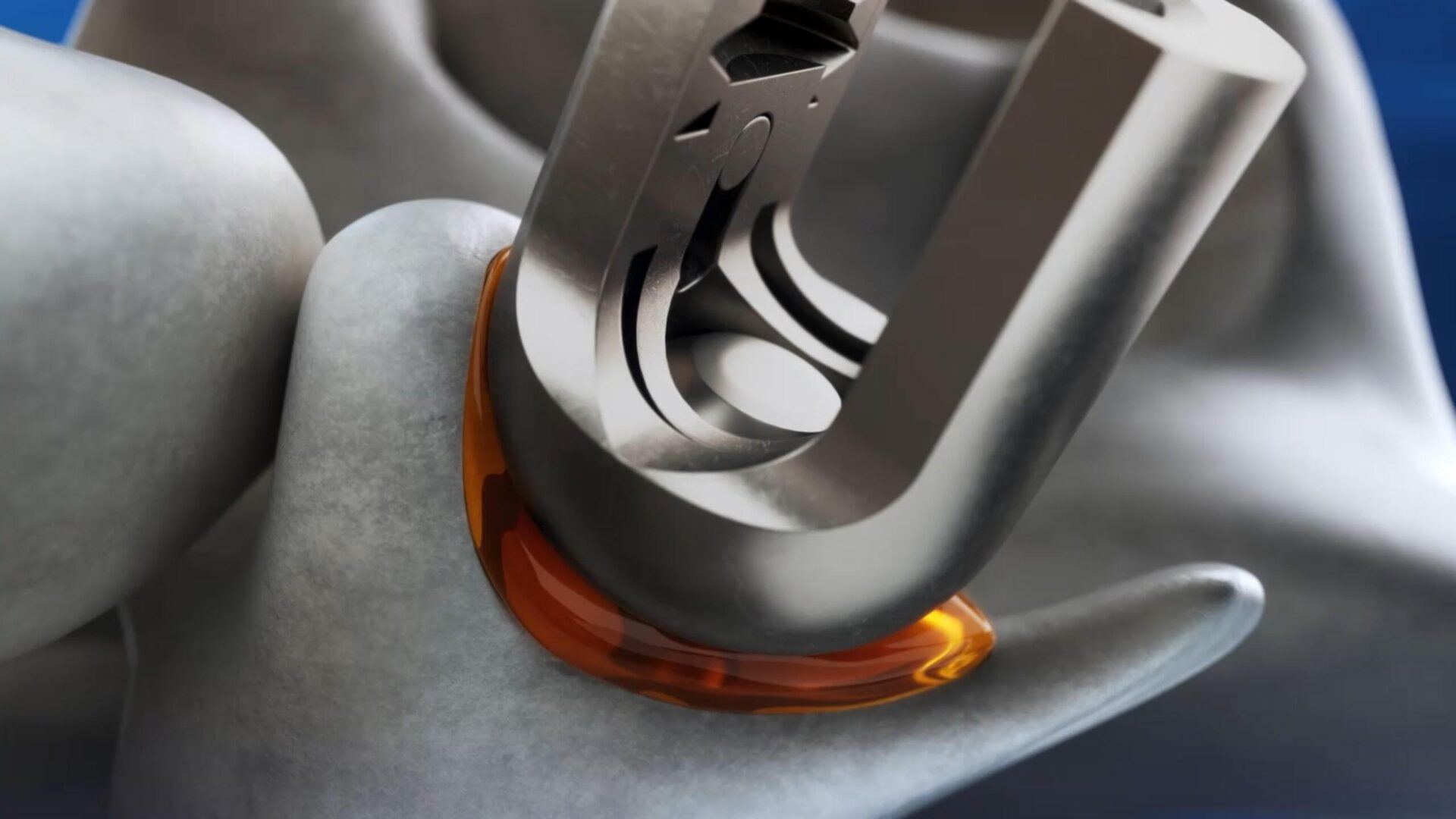
Optimal placement
BR-003 stays in place to reliably target the relevant pain-transmitting nerve fibres in the surgical site, blocking pain at its source.
Locally blocking pain signals
BR-003 releases bupivacaine locally for 72+ hours. Bupivacaine is a well-established local anesthetic used widely in clinical practice (e.g., dentistry and epidural analgesia) and acts by locally blocking pain signals at the surgical site.

Join us on our mission
towards better pain treatment